
Breathing Indoors: The Overlooked Crisis of Air Quality in the Built Environment
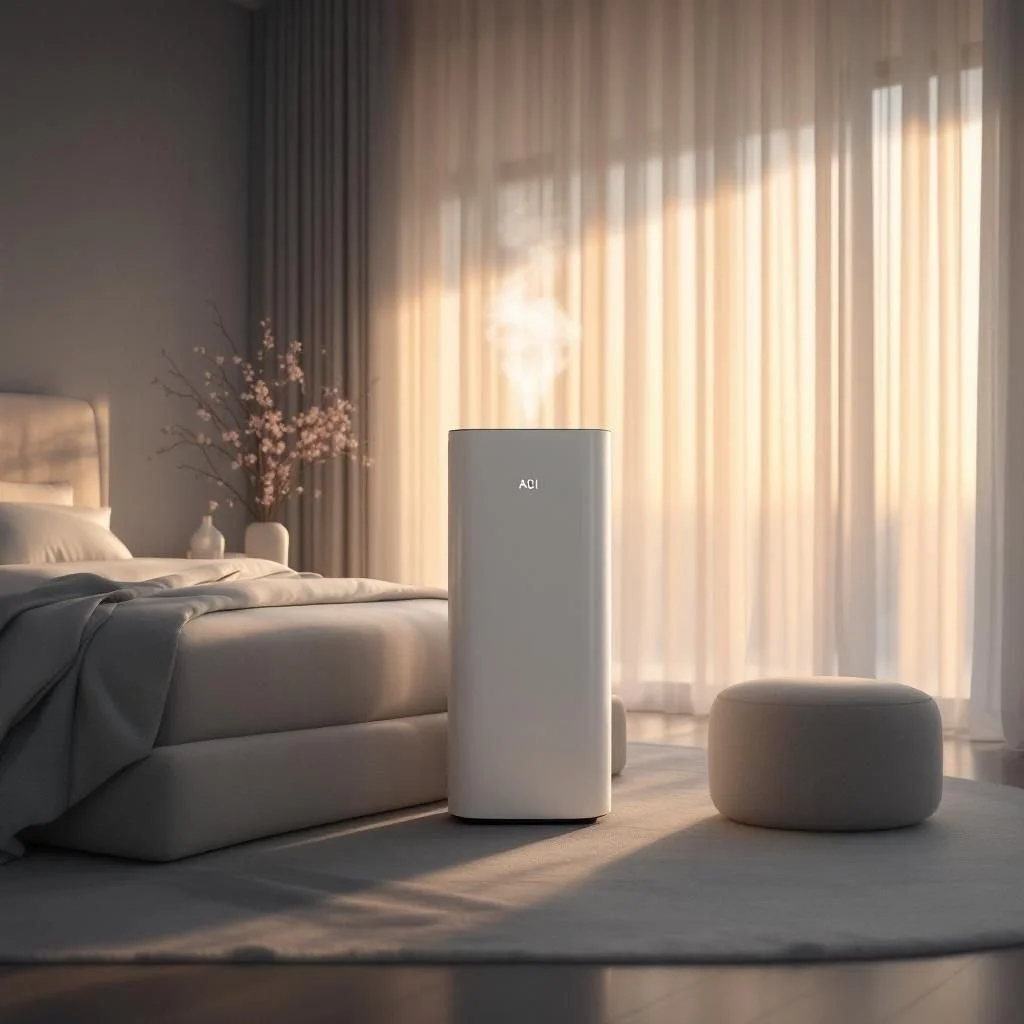
“Indoor air is often more toxic than city streets.”
The air we breathe indoors—where most people spend over 90% of their time—is often assumed to be safer than what circulates outside. Yet evidence from the U.S. Environmental Protection Agency (EPA) consistently demonstrates the opposite: indoor air pollution can be 2 to 5 times more concentrated than outdoor levels.
The architectural envelope, once designed for shelter, has inadvertently become a trap.
The Invisible Accumulation: Toxins in the Air
In sealed modern environments, indoor air becomes a closed loop, accumulating:
Volatile Organic Compounds (VOCs) from paints, finishes, adhesives, and synthetic furnishings
Particulate matter from HVAC systems, cooking, and combustion-based heating
Mold spores and microbial bioaerosols from water-damaged materials and poor ventilation
These compounds do not merely irritate. They are linked to a spectrum of physiological disruptions—from respiratory inflammation and asthma exacerbation to neurological fog, immune dysregulation, and long-term exposure risks associated with carcinogenicity and endocrine disruption.
Cognitive symptoms such as brain fog, fatigue, and mood volatility are increasingly tied to the neuroinflammatory effects of chronic low-grade exposure.
Designing for Respiration, Not Just Occupancy
Mitigating this crisis requires a shift in how we define architectural responsibility. Air must be treated not as background, but as an active medium of biological exchange. Emerging strategies include:
HEPA and activated carbon filtration, particularly in systems exposed to urban or industrial ambient air
Material detoxification protocols, ensuring low- or zero-VOC interiors through vetted specifications
Airflow redesign, moving beyond code-minimum ventilation toward dynamic, responsive circulation systems
Air is architecture’s silent material. To shape it well is to protect the nervous system, lungs, and mind.
Toward Bioadaptive Interiors
Indoor air is no longer a passive concern—it is an active design domain. As research from environmental medicine, building science, and occupational health continues to converge, the built environment must be redefined not as a container of life, but as a co-regulator of it.
True architectural integrity now includes the invisible: microbiome-respectful surfaces, detoxified materials, and air quality that supports rather than depletes vitality.
What we breathe shapes how we think, feel, and function. In the new era of architecture, oxygen is no longer enough—what matters is the purity of presence in every inhalation.
