
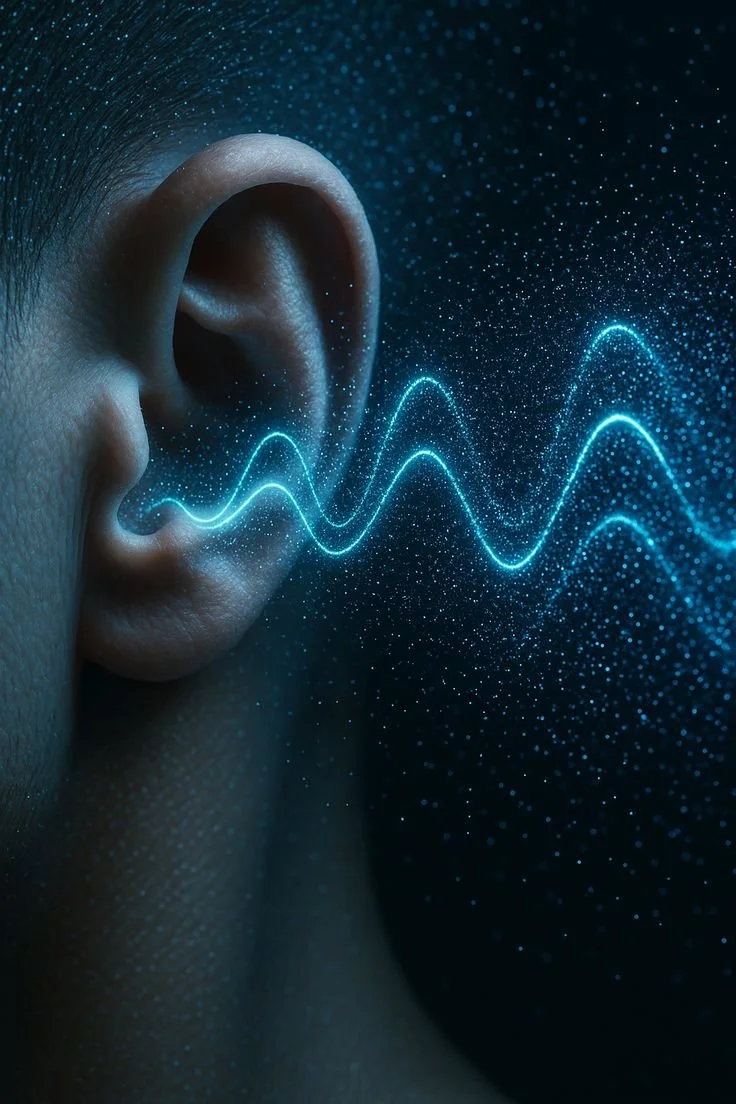
The Nervous System Hears Everything: How Acoustics Influence Stress and Sleep
Sound is not just something we hear — it is something the body responds to. In modern buildings, constant background noise quietly activates stress pathways, disrupts sleep depth, and interferes with emotional regulation. As research reveals the hormonal and neurological effects of acoustic environments, architecture is being challenged to treat sound not as a byproduct, but as a powerful driver of human wellbeing.
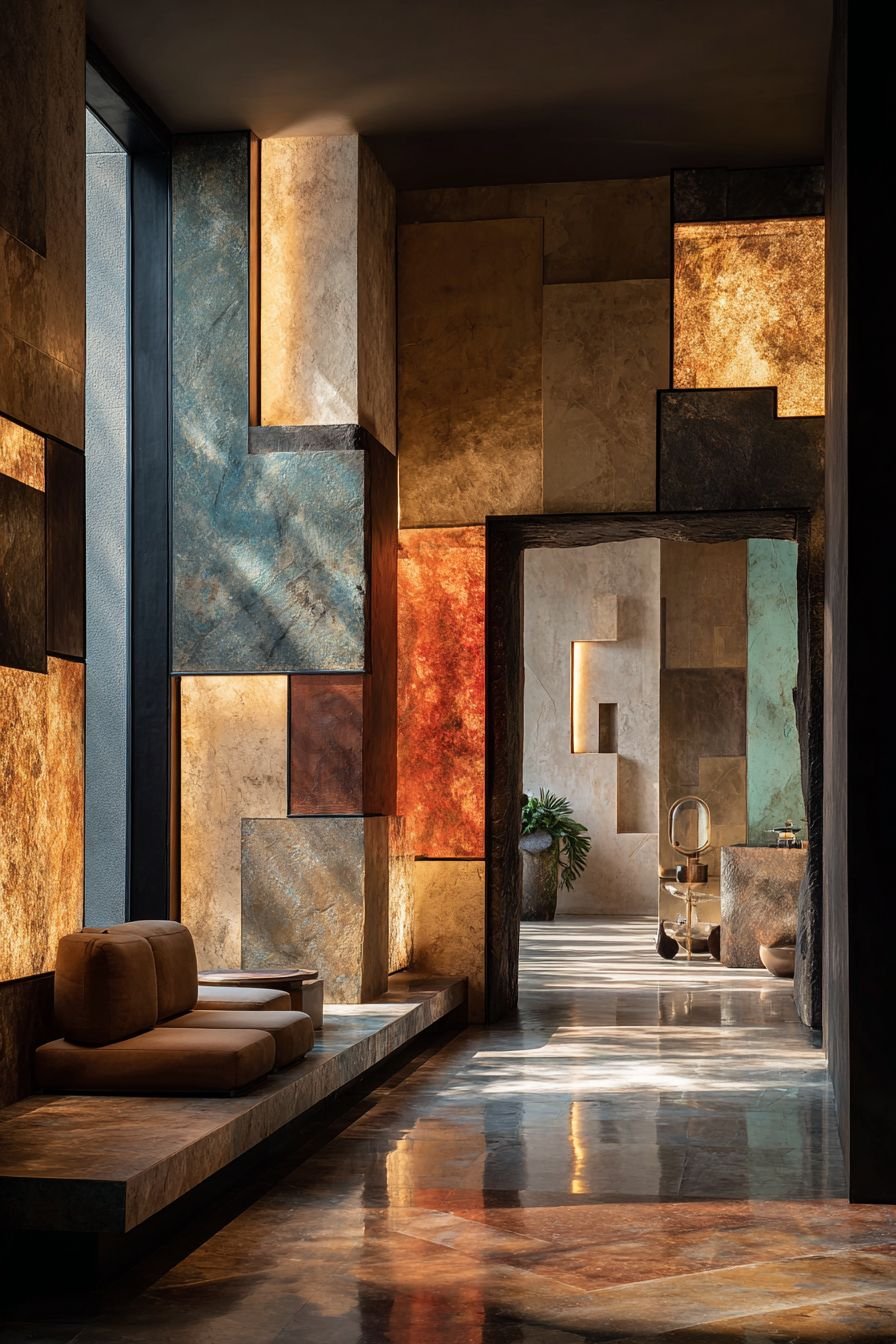
Architecture of the Nervous System: How Geometry and Texture Shape Our Inner State
Before we consciously think about a space, our nervous system feels it. Geometry, edges, and textures act as silent signals that tell the body whether it is safe or on alert—shaping stress levels, focus, and emotional state in real time. As neuroscience begins to decode how form influences physiology, architecture is evolving from visual composition into a powerful tool for regulating the human nervous system.
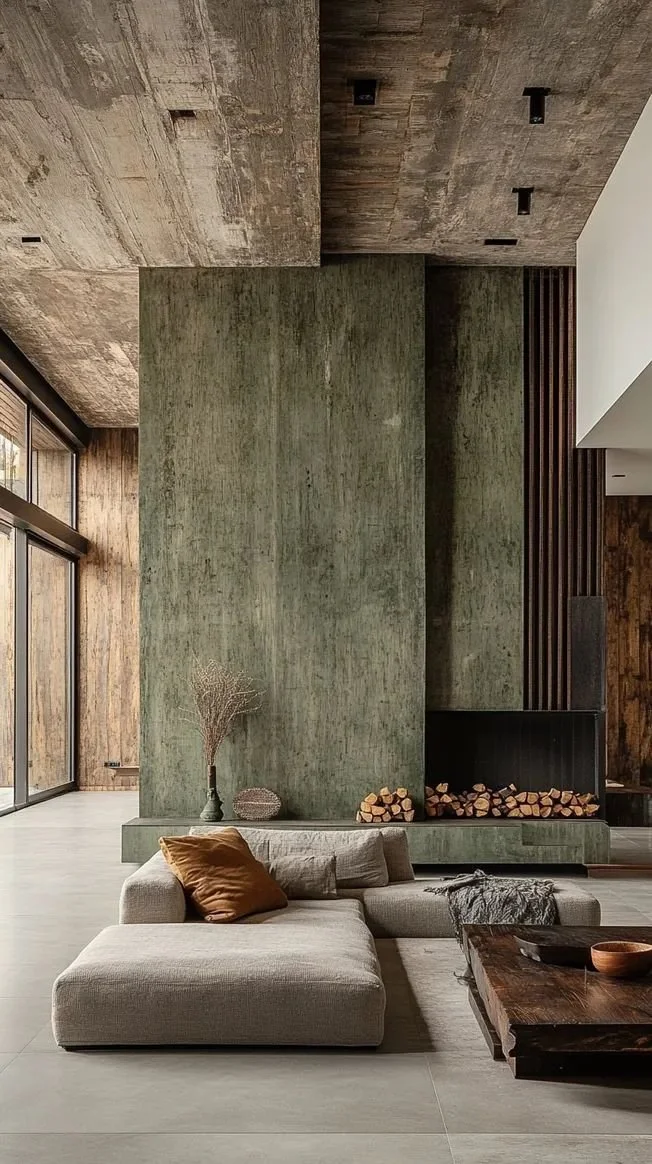
The Toxic Memory of Materials: How Building Chemistry Alters Biology
The materials inside our homes don’t just shape how spaces look — they shape what enters our bodies. From paints and finishes to plastics and adhesives, many modern interiors quietly release chemicals into the air long after installation, influencing hormones, immunity, and neurological health. As science uncovers the biological cost of toxic building materials, design is being called to a new standard: creating spaces that heal rather than chemically burden the people within them.

The Electric Body in a Wireless World: Rethinking EMF Exposure and Neuroelectrical Coherence
Modern spaces are filled with invisible electromagnetic fields that our bodies continuously interact with. As Wi-Fi, smart devices, and wireless infrastructure expand, so does a form of environmental exposure rarely considered in design—yet increasingly linked to sleep disruption, cognitive strain, and biological stress. Understanding how EMFs influence the body’s electrical systems is becoming essential to creating spaces that truly support focus, recovery, and health.
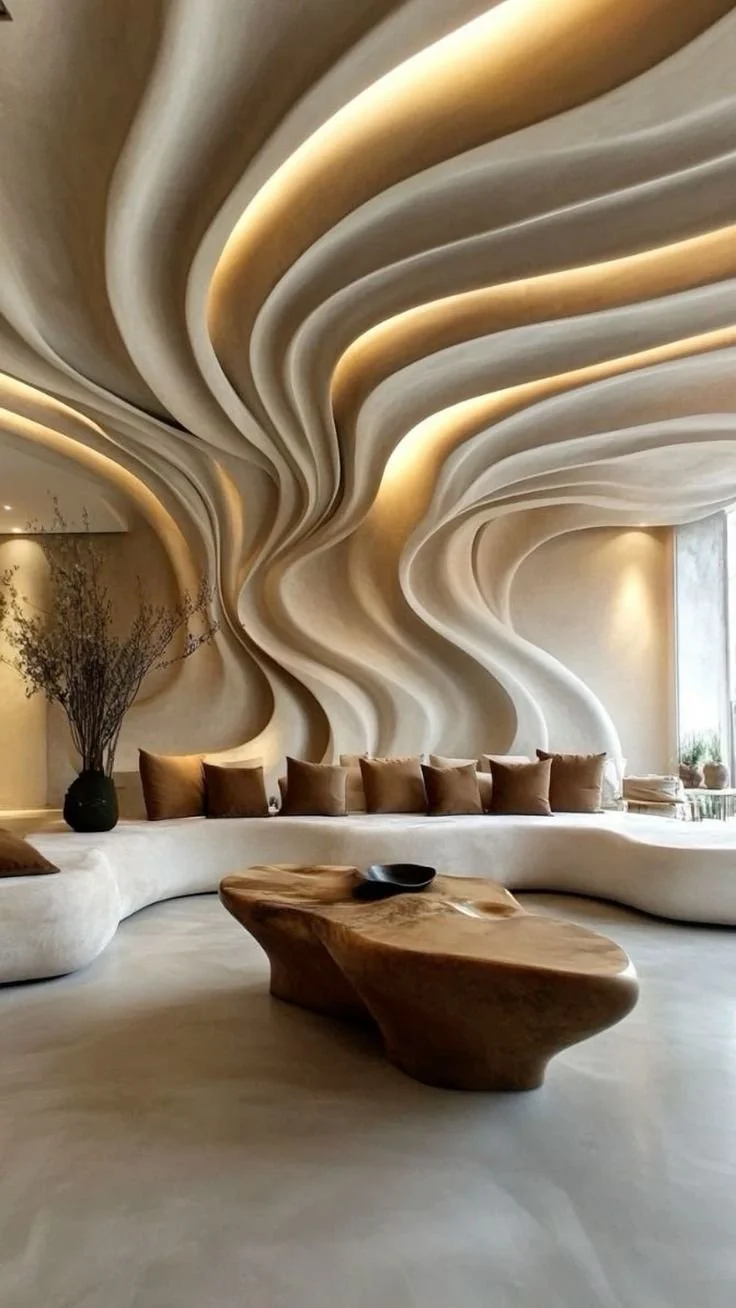
Symbols in the Walls: How Image and Color Shape Cognitive and Emotional Fields
Before we consciously interpret a space, our brain reads its symbols. Color, imagery, and visual patterns are processed in milliseconds—shaping emotion, focus, and physiological readiness long before words or logic engage. As neuroscience reveals the speed and power of visual meaning, design is shifting from decoration toward a deeper role: communicating with the subconscious to influence how we think, feel, and perform.

The Hidden Strain of Heat: Rethinking Thermal Comfort as Cognitive Design
Temperature shapes far more than comfort — it quietly influences how well our brains function. In most buildings, thermal control is treated as a background utility, yet research increasingly shows that even small deviations can impair focus, decision-making, and mental energy. As design begins to account for light and air as biological forces, it’s time to recognize temperature as a powerful driver of cognitive performance.

Breathing Indoors: The Overlooked Crisis of Air Quality in the Built Environment
Indoor air may look clean, but it often carries a hidden biological burden. Modern buildings, designed to seal out the elements, frequently trap pollutants that concentrate far beyond outdoor levels—quietly affecting breathing, cognition, immunity, and long-term health. As science exposes the true cost of poor indoor air quality, architecture is being forced to rethink one essential question: are our spaces helping us breathe, or slowly harming us?
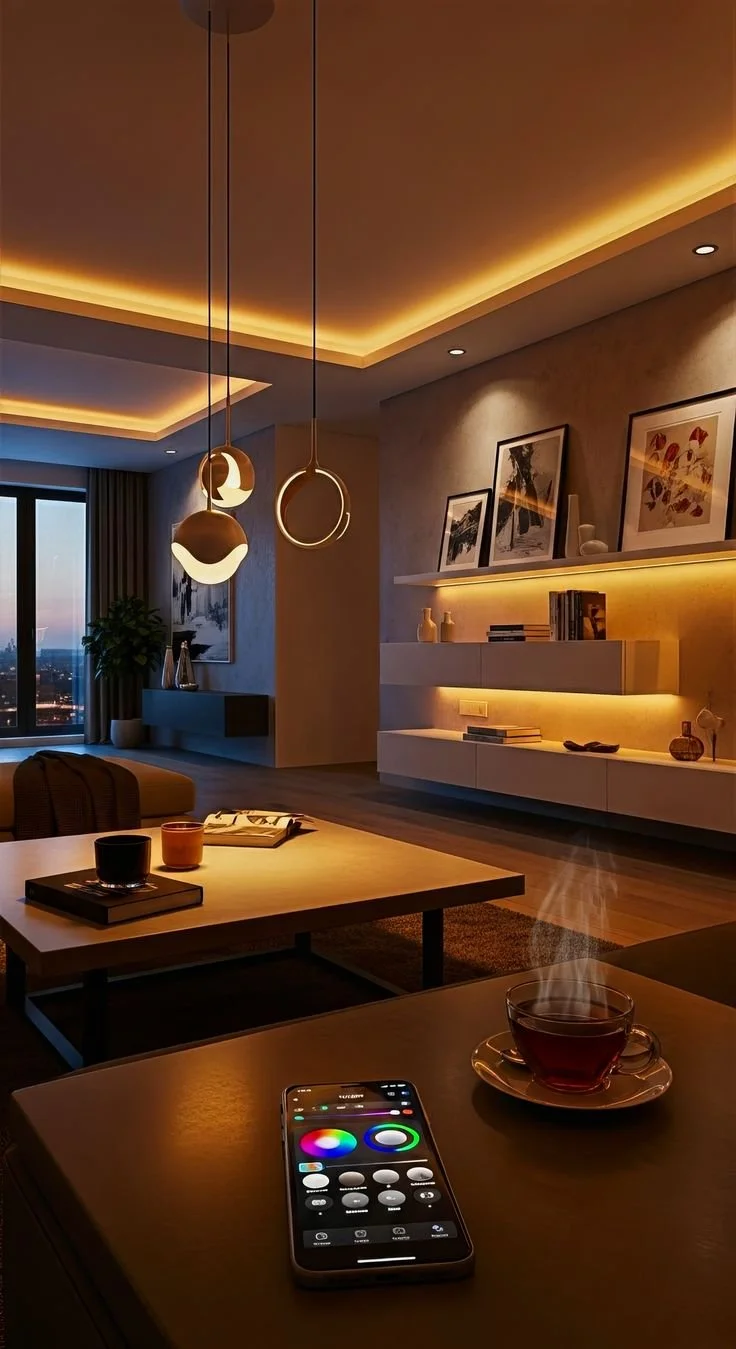
How Light Reshapes Biology: Rethinking Circadian Health in the Built Environment
Light no longer simply helps us see — it shapes how our bodies function. In today’s built environments, artificial lighting has replaced the sun as the primary regulator of our circadian rhythms, quietly influencing sleep, hormones, mood, and metabolism. As research reveals the biological consequences of misaligned light exposure, a new approach is emerging: designing spaces that work with our internal clocks rather than against them.
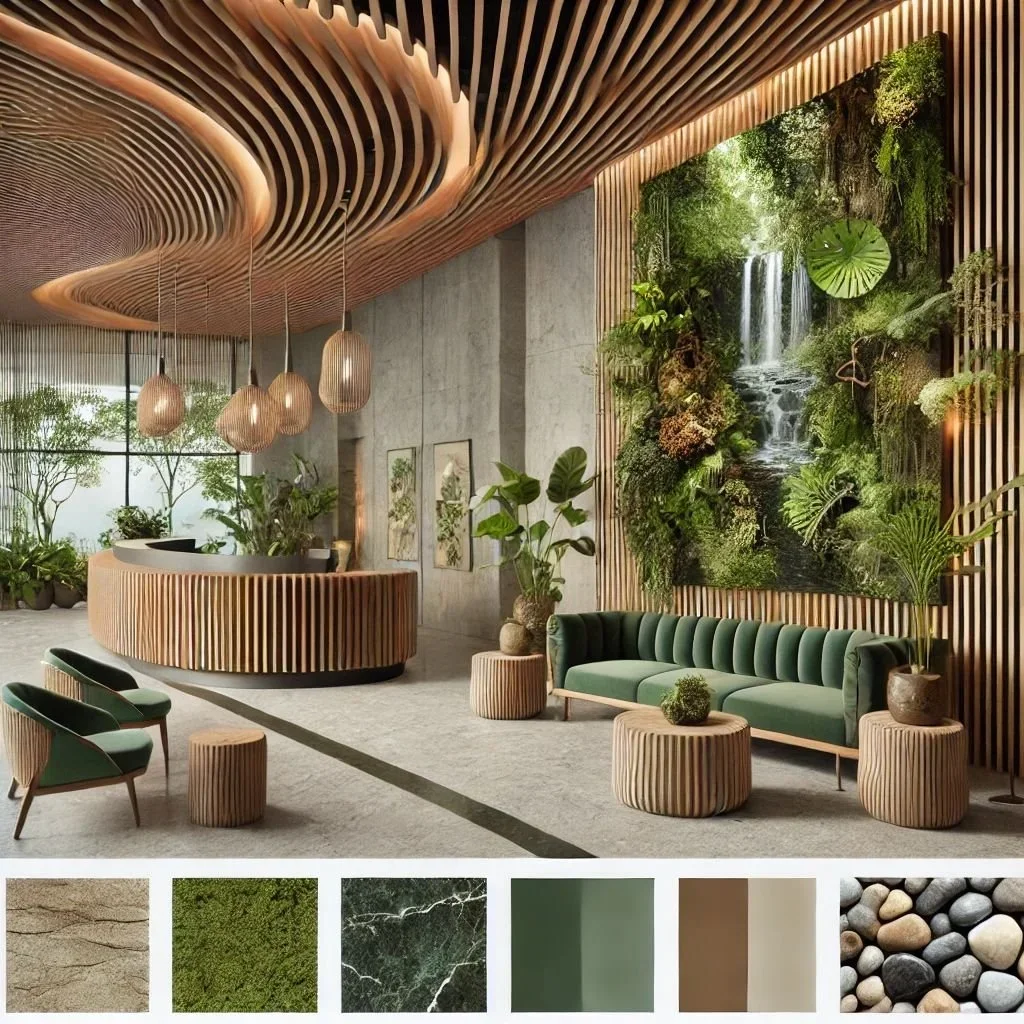
From Geometry to Practice - Coherence in Real Spaces
Coherence design goes beyond theory—its impact is measurable in hospitals, schools, and workplaces. From faster healing in patient rooms with natural views, to improved test scores in well-lit classrooms, to enhanced focus and collaboration in rhythmically balanced offices, evidence shows that geometry, light, and acoustics directly affect human well-being.
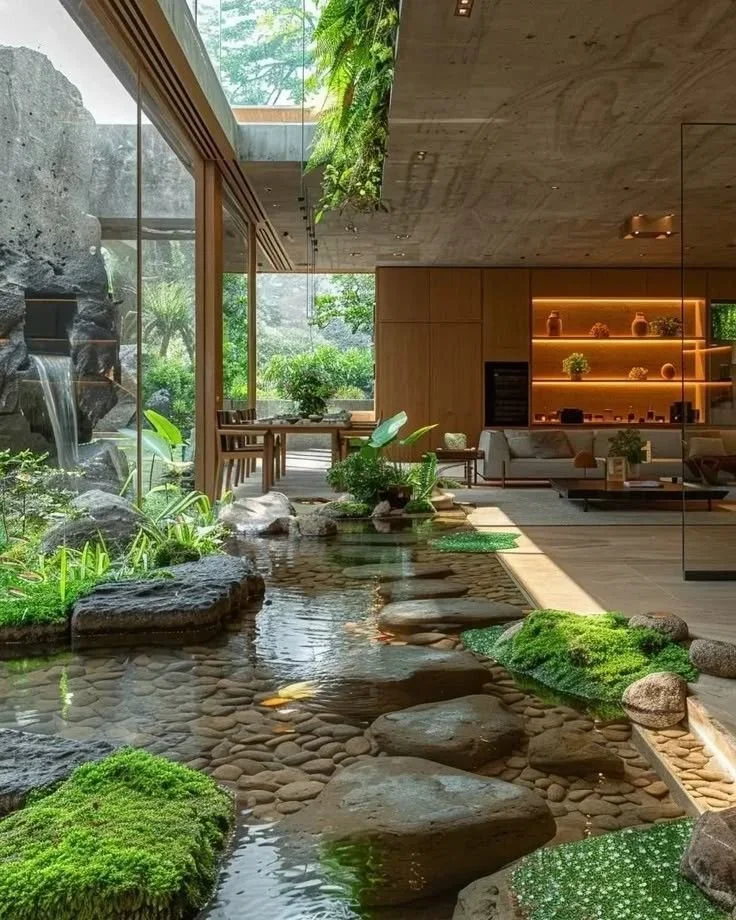
The Icositetragon — Designing with the 24-Sided Circle
More than a geometric curiosity, the icositetragon—a 24-sided polygon—reveals deep connections between design, biology, and rhythm. Found in music, time cycles, and the human spine, the number 24 serves as a natural blueprint for coherence. This article explores how applying 24-part symmetry in architecture can enhance wayfinding, support circadian rhythms, and calm the nervous system.

The Hidden Ratios That Make Spaces Feel Right
Some spaces just feel right—and it's no coincidence. This article reveals how underlying mathematical ratios like the Golden Ratio and √2 quietly shape our perception of harmony. Rooted in nature, music, and human anatomy, these proportions offer a blueprint for creating spaces that foster ease, focus, and well-being.
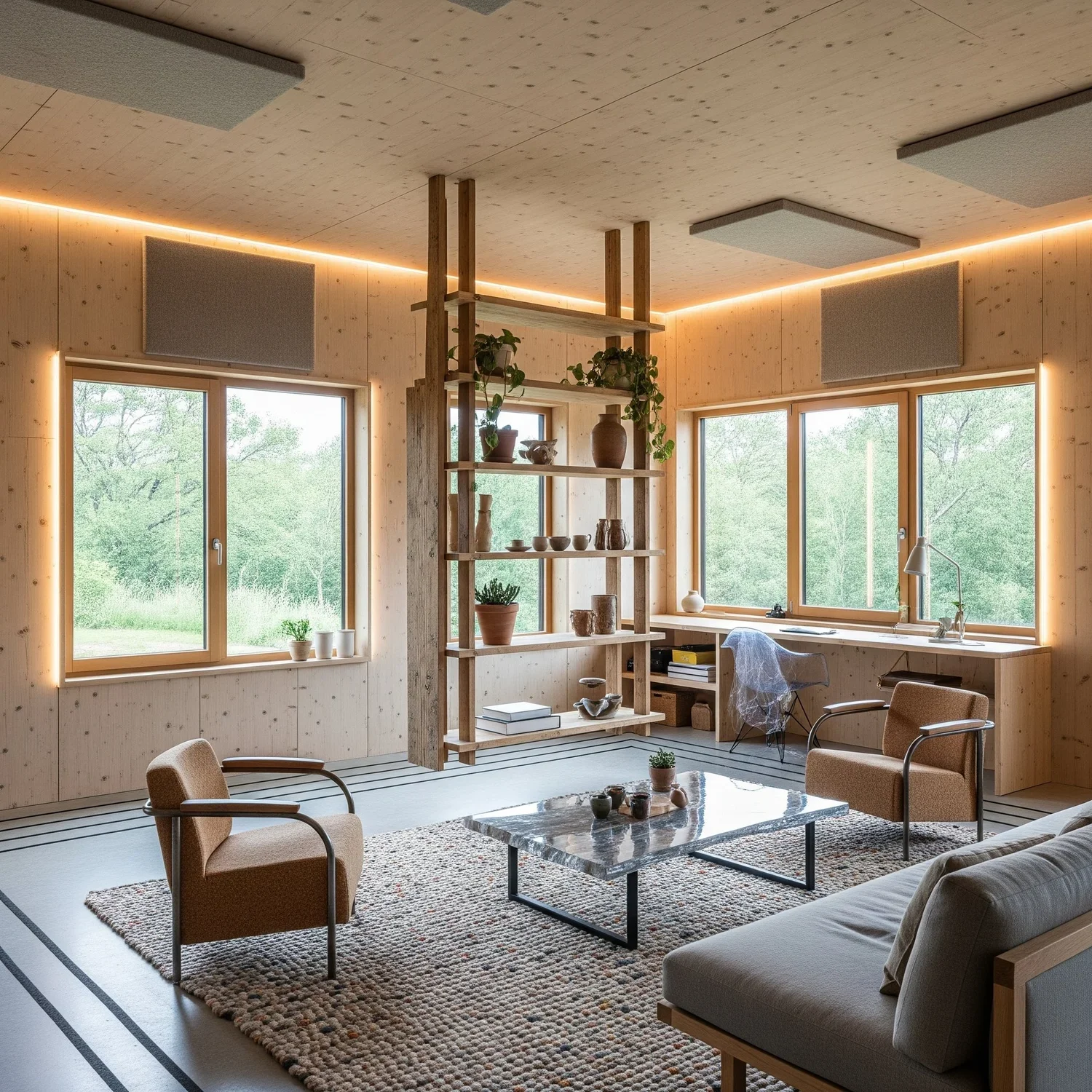
Feng Shui Was Right (But Now We Can Prove It)
Ancient systems like Feng Shui and Vastu Shastra emphasized spatial harmony long before science could explain why. Today, neuroscience and biometric tools confirm what tradition intuited: clear flow, natural light, and geometric balance reduce stress and support well-being.
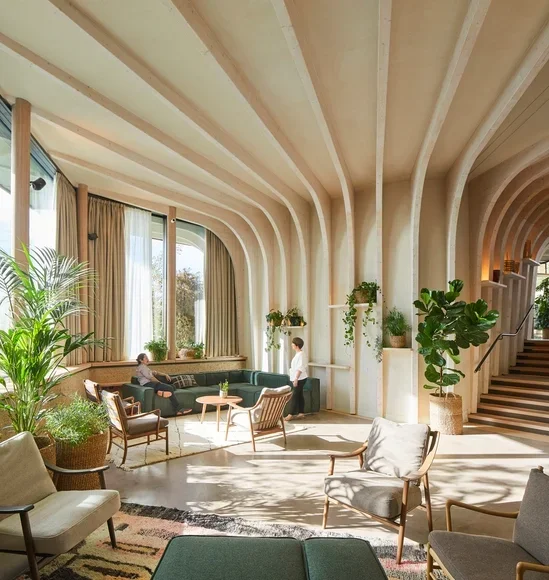
Designing with the Nervous System
More than aesthetics, every space communicates directly with the body’s nervous system—triggering either stress or restoration before the mind can even react. This article explores how light, sound, geometry, and materials influence our physiology, using tools like HRV and EEG to measure real-time impact.
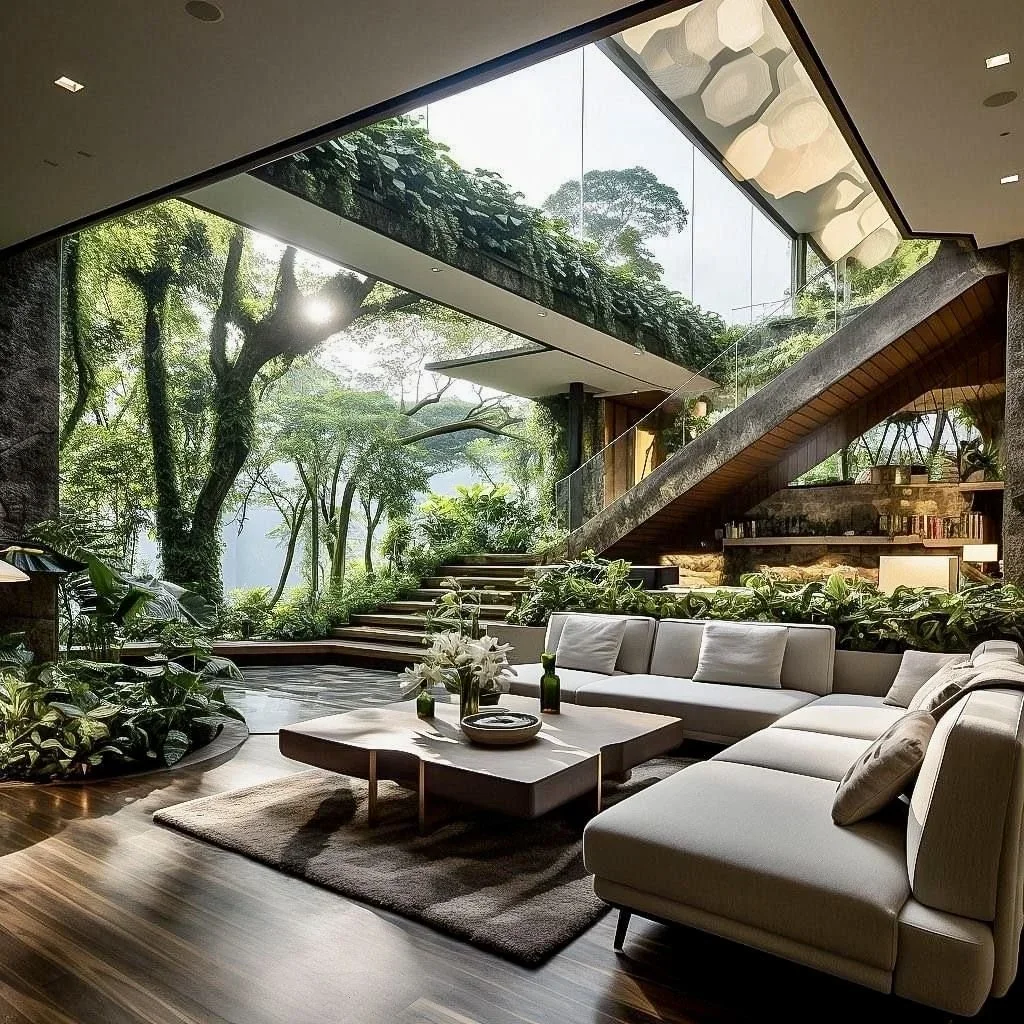
How to Measure the Coherence of a Built Space
This article explores how design can transcend aesthetics and directly influence our biology. Drawing from neuroscience, biofeedback, and ancestral spatial wisdom, it reveals how geometry, light, and proportion can shape spaces that heal, regulate, and connect.